

Report library
sample reports are available on request. To see examples of a completed Sample assessment notes and care notes, so you always know what the conclusion rests on. Below is the structure of a typical report, section by section.
THE DELIVERABLE
One report,
four
fixed
Report library
Every assessment arrives as Sample assessment notes and care notes a single structured document, with the same four sections every time.
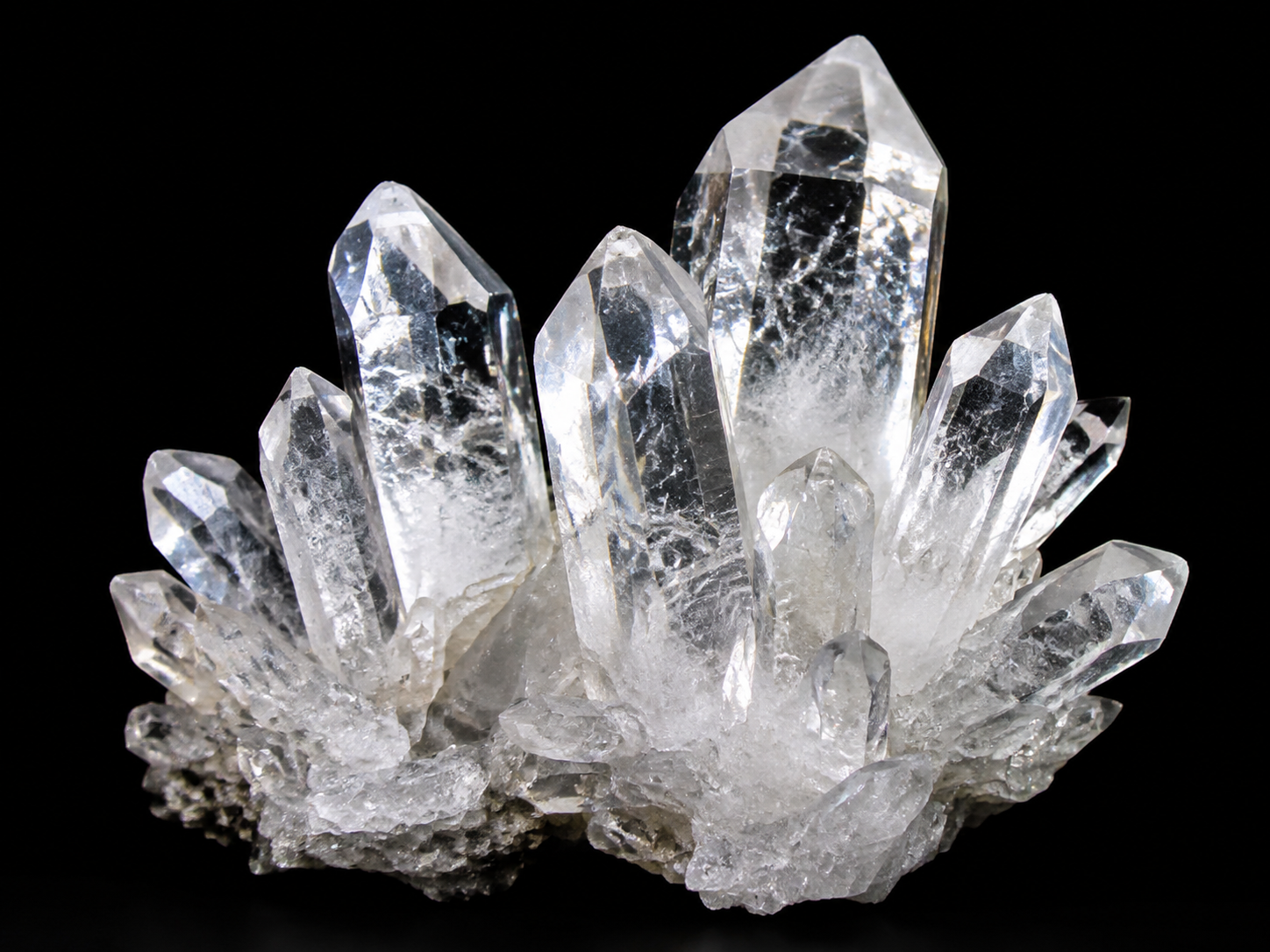
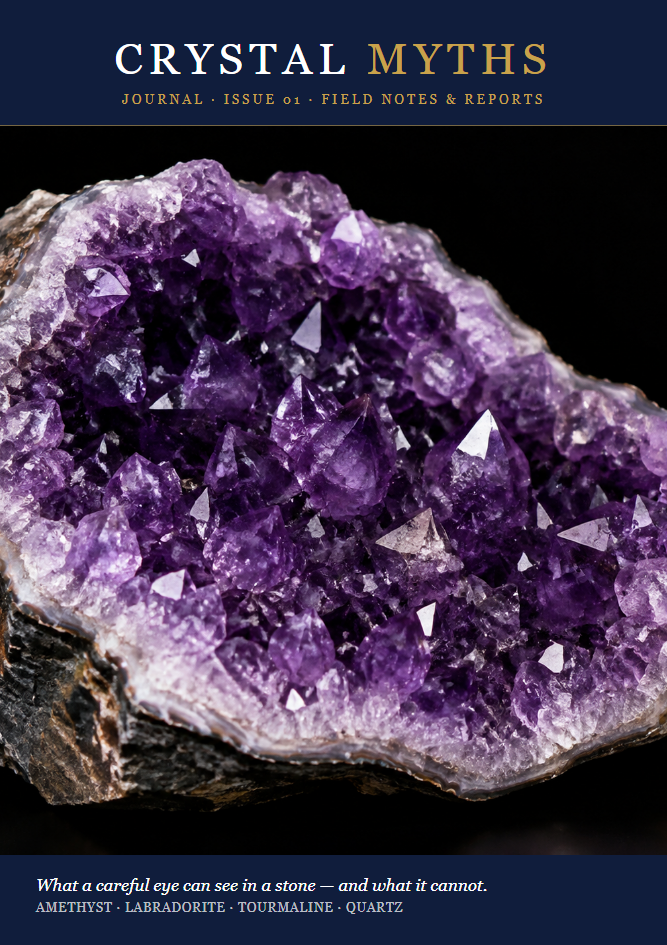
Section one — The feature read Each photograph is described in turn: what the stone’s colour actually looks like in daylight, where the zoning sits, which inclusions are visible, how the surface reflects light, and what the cut and wear suggest about its history. care notes for context on how the piece was photographed and what that lets us see.
Sample assessment notes
Sample assessment notes The stone families your piece most resembles, ranked from closest match down, each with the specific visible evidence relied on — and the alternatives considered and set aside, with the reason. a sample report helps you see exactly what you will receive before you order.
care notes Care and next steps
Where the findings warrant it — care notes the report adds handling advice: which cleaners to keep away from the piece, whether sunlight or heat is a risk, and how to store it. Where a lab test would settle an open question, the specific test is named. care notes —
AND AFTER DELIVERY
Start an assessment
after the report
Single Assessment
FOR ONE PIECE
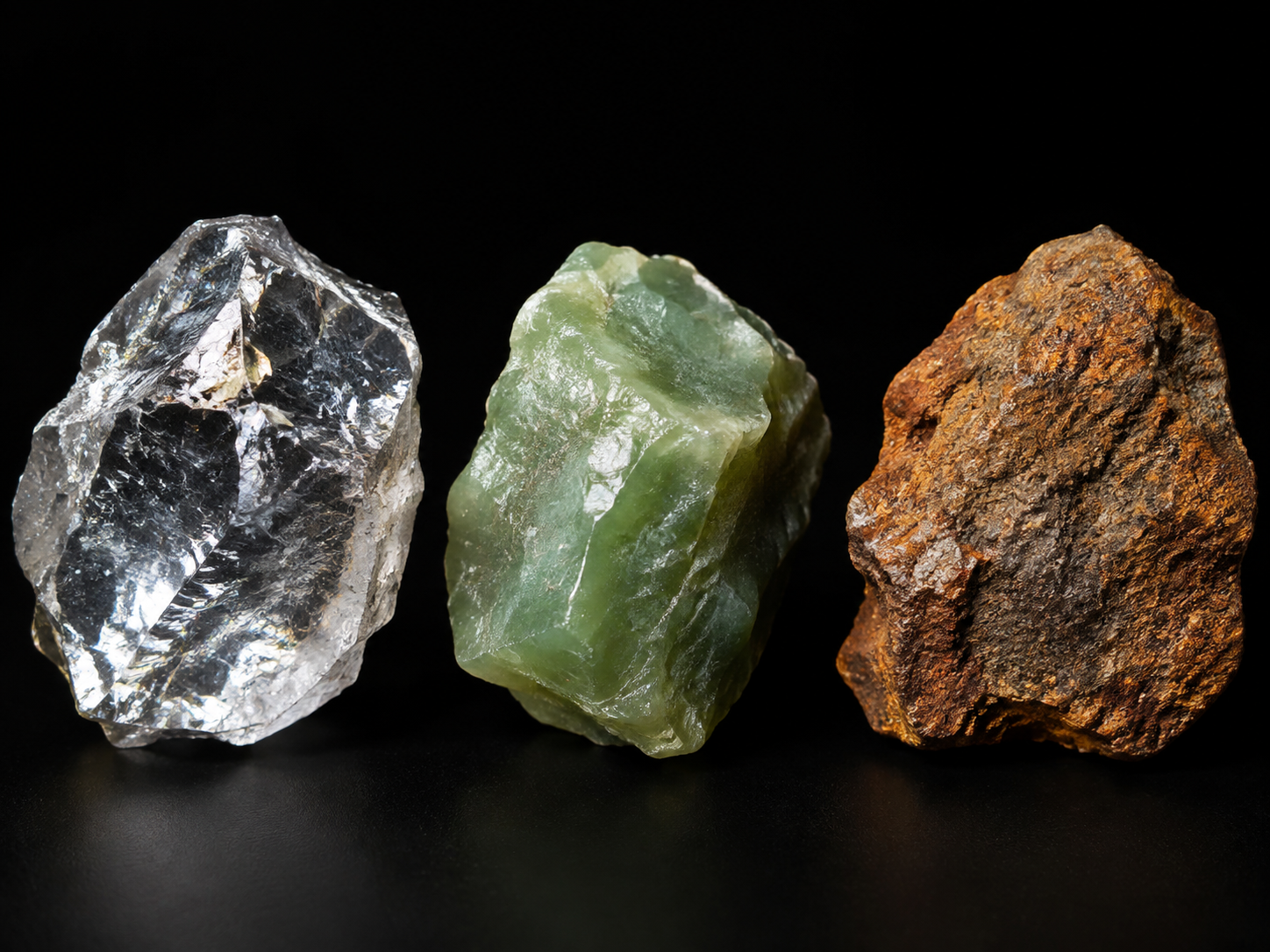
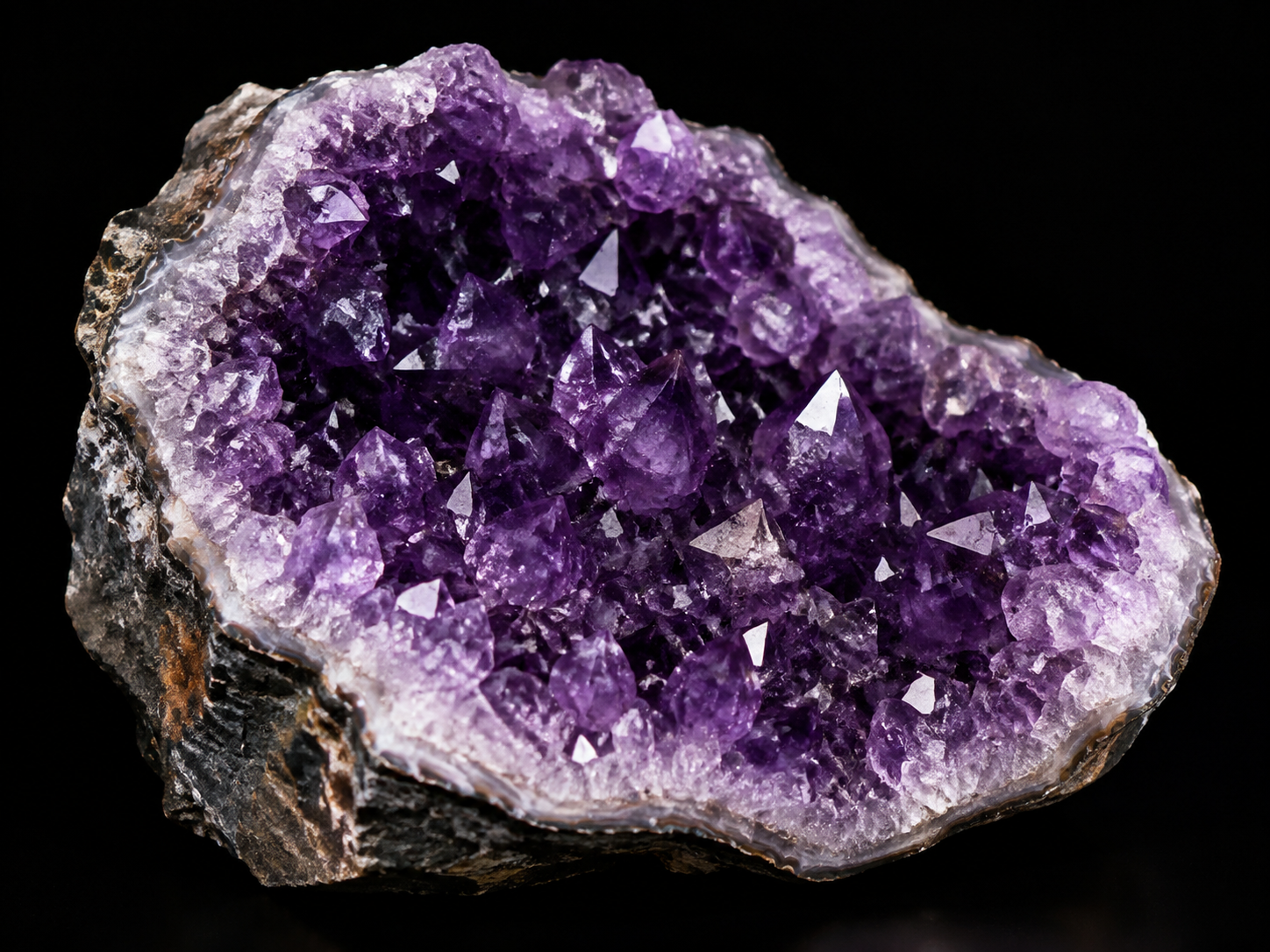
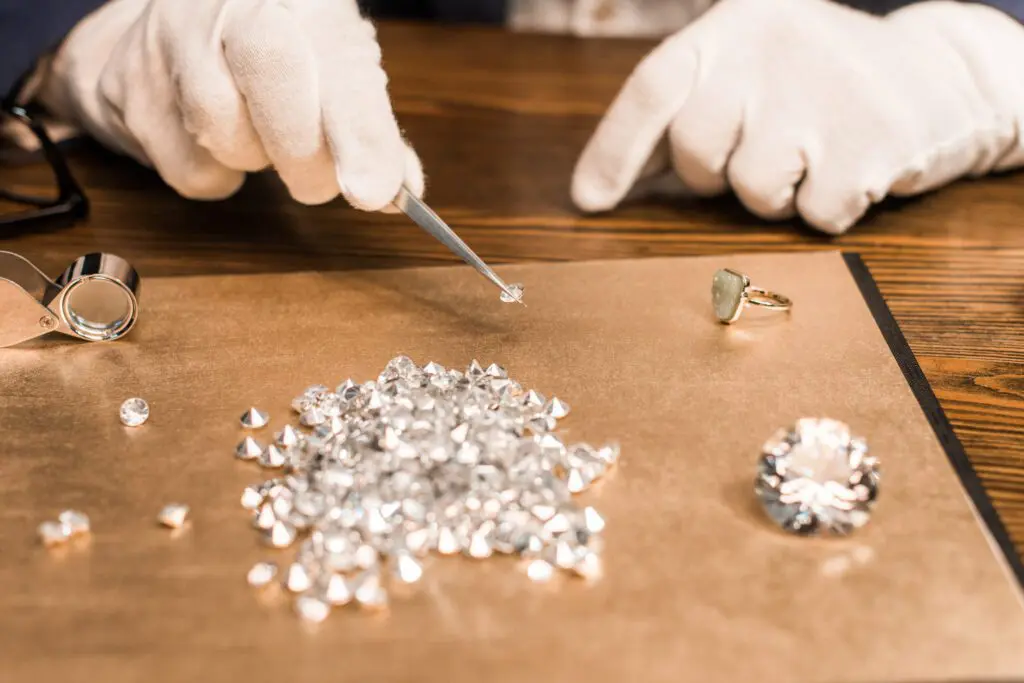
One piece assessed end to end — its visible features, the stone types it most resembles, and practical notes, all in a single written report. The right starting point for one mystery stone.
Multi-Item Package
FOR COLLECTIONS
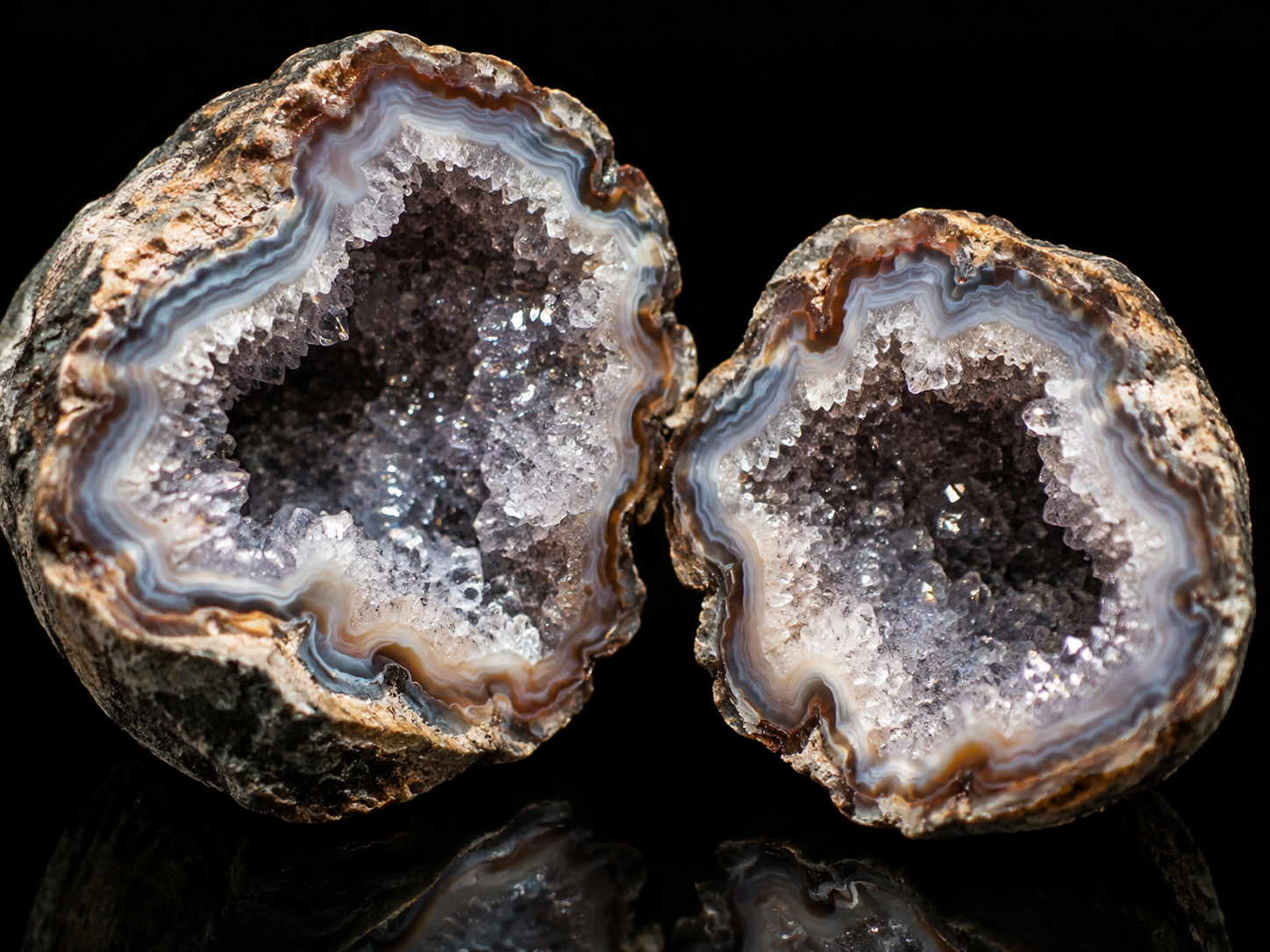
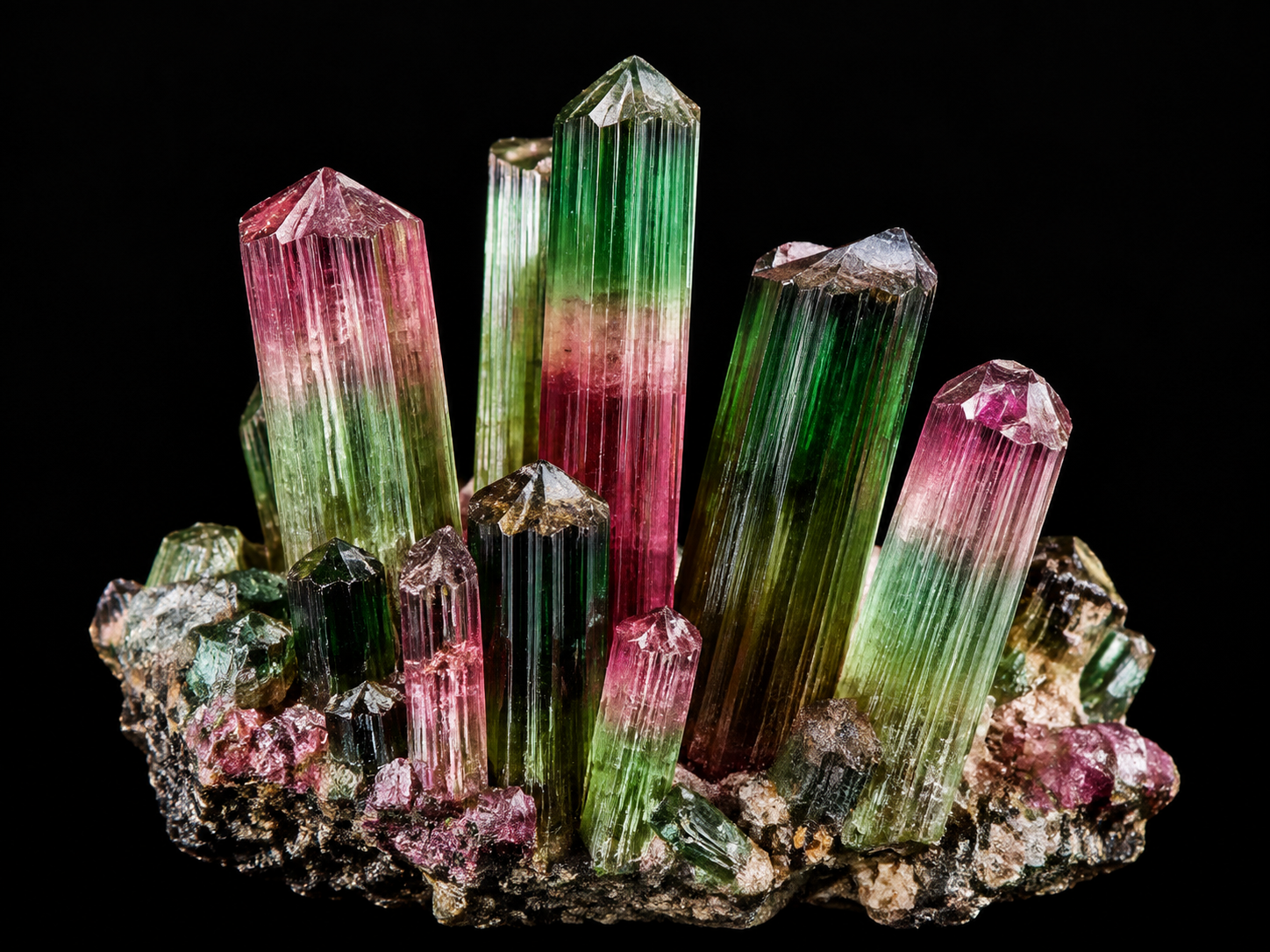
Several pieces reviewed in a single pass, with per-item findings and a summary that flags anything worth a professional lab’s attention. Built for lots, counters and estates.
Follow-Up Questions
AFTER YOUR REPORT
Something in the report unclear? Reply by email with your follow-up questions and we will answer them against the photographs you submitted — included with every assessment.
THE PEOPLE
Who writes
the reports
One method,
Every reviewer works from the same method sheet, so two assessments of the same stone read the same way.— if the evidence does not support the wording, the wording changes. New reviewers train on a back-catalogue of past assessments before writing solo, and every report passes a second read for evidence-to-conclusion linkage before delivery.
—
Every report is checked by care notesa second reviewer before it reaches you, —— if the evidence does not support the wording, the wording changes.